Few things induce panic quite like a flashing exhaust warning light. Suddenly, your truck enters engine limp mode. You now face severe downtime and steep repair bills. This represents a dreaded scenario for vehicle owners and fleet managers alike. We know professional cleaning costs significantly less than buying new parts. However, unexpected fees can quickly erode your financial return. Improper servicing methods also present massive risks to your equipment. You need clear information before approving a work order. This article provides an objective breakdown of your actual diesel particulate filter cleaning cost. We highlight exactly how you can avoid hidden shop fees. You will also learn the exact threshold for when to clean an old unit versus when to replace it completely. Keep reading to protect your maintenance budget and restore your engine performance.
Key Takeaways
Average Cost Range: DPF cleaning typically ranges from $300 to $500 for light-duty vehicles, and $400 to $800+ for heavy-duty commercial trucks.
Hidden Expenses: Total costs often increase due to labor (removal/installation), towing, and replacing fused sensors.
Clean vs. Replace Threshold: If the internal DPF substrate is cracked, melted, or oil-soaked, cleaning is impossible; a replacement DPF is mandatory.
The Upstream Rule: Cleaning treats the symptom. If upstream engine issues (e.g., bad injectors, EGR leaks) aren't fixed, the newly cleaned filter will clog again rapidly.
The True Diesel Particulate Filter Cleaning Cost Breakdown
Baseline pricing heavily depends on your vehicle class. Light-duty passenger diesels generally cost between $300 and $500 to service. Heavy-duty commercial fleets face higher rates. Commercial units range from $400 to over $800. Fleet managers should frame this as a downtime mitigation cost. Consider it a minor expense compared to losing thousands in missed delivery revenues.
Baseline Cleaning Estimates by Vehicle Class
| Vehicle Category | Estimated Base Cost | Typical Turnaround Time |
| Light-Duty (Passenger/Pickup) | $300 - $500 | 1 to 2 Days |
| Medium-Duty (Box Trucks) | $400 - $600 | 1 to 3 Days |
| Heavy-Duty (Class 8 Commercial) | $500 - $800+ | 2 to 4 Days |
Several primary cost drivers dictate your final invoice. Filter size and complexity matter immensely. Larger filters need bigger industrial kilns. They also take much more time to heat up and cool down safely. Contamination level plays an equally critical role. Active regeneration burns soot into ash. Ash never burns away. Heavy ash buildup demands intensive multi-stage processing, pushing costs toward the higher end of the spectrum.
You must also factor hidden costs into your maintenance budget:
Labor for Remove and Replace (R&R): Accessibility varies wildly between models. A simple clamp setup takes ten minutes to remove. A buried exhaust component requires hours of teardown labor.
Broken Sensors: Extreme heat cycles essentially weld temperature and pressure sensors into the exhaust pipes. Technicians frequently snap them during removal. Expect to pay an extra $50 to $150 per broken sensor.
Downtime and Freight: Shipping heavy parts across the country incurs steep freight fees. It also adds days of lost operational revenue. Finding a local specialist saves substantial money.
DPF Cleaning Methods: Are You Paying for the Right Process?
Not all service centers provide equal value. The chosen method dictates the final price. It also determines how long the cleaning results last. You need a trusted DPF Cleaning Guide approach to make an informed choice. Ensure you know exactly what machinery the shop utilizes before handing over your keys.
Pneumatic (Air Blast) Cleaning
Shops use this method primarily for preventative maintenance. It works best for very light soot accumulation. This ranks as the lowest cost option available. However, it remains highly ineffective for deeply embedded, hardened ash. Pneumatic bursts simply cannot dislodge tightly packed microscopic debris.
Thermal Cleaning (Baking)
This represents the gold standard for heavily clogged filters. It carries a mid-to-high cost tier. Technicians place the unit inside a specialized kiln. The extreme heat safely oxidizes trapped soot into brittle ash. High-pressure air then blows the remaining ash out of the honeycomb cells. You absolutely need this method to restore proper exhaust flow rates.
Aqueous / Ultrasonic Cleaning
This process utilizes liquid-based cavitation for severe contamination. Mechanics use it when coolant or raw engine oil saturates the exhaust system. It represents a premium cost tier. It often serves as the only viable way to save a liquid-contaminated filter from total structural ruin.
Cleaning vs. Buying a Replacement DPF: How to Evaluate ROI
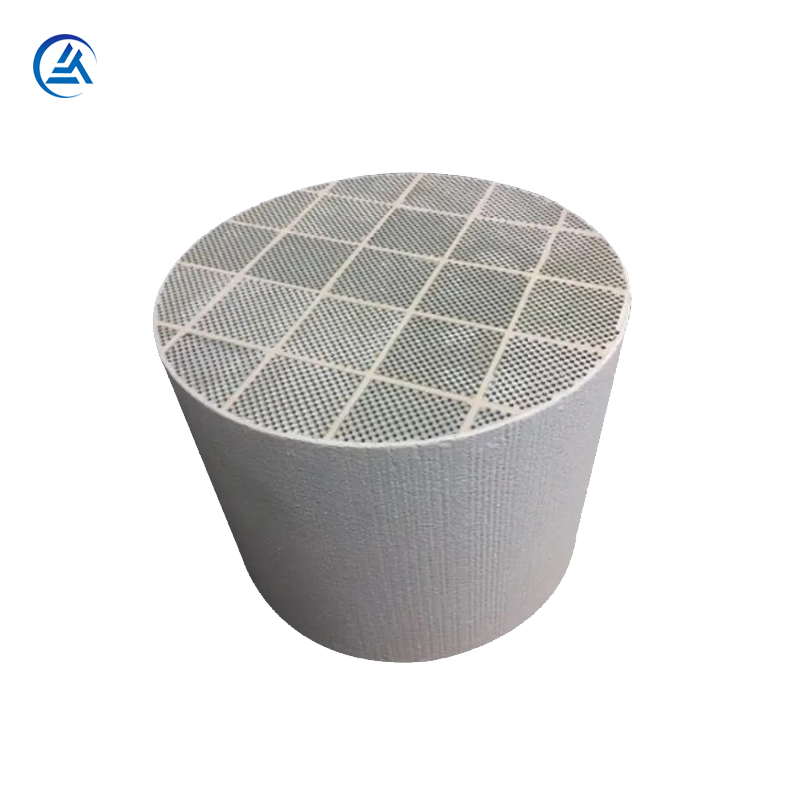
You must carefully evaluate your financial threshold. Compare the total price of professional servicing against buying new parts. A standard cleaning runs roughly $500 plus labor. Conversely, a top-tier Replacement DPF costs between $2,500 and $8,000 depending on the manufacturer. Servicing an existing unit saves massive amounts of capital.
However, cleaning sometimes represents a complete waste of money. You must watch out for severe dealbreakers. The ceramic DPF Substrate acts as the vital core. If it cracks, fuses, or degrades internally, no process can restore it. Severe face plugging poses another fatal issue. This happens when the ceramic structure physically melts together. Extreme exhaust temperatures destroy the delicate filtration channels entirely.
Because of these dealbreakers, strict inspection mandates exist. Reputable shops perform rigorous tests before they charge you. They conduct a mechanical pin test. They also shine a high-lumen light through the chambers. They do this to ensure the core remains entirely intact. Never pay a shop skipping these crucial validation steps.
The Diagnostic Reality Check: Why DPF Cleaning Sometimes "Fails"
Truck owners frequently complain on mechanic forums. They pay premium rates for a thorough bake. Two weeks later, the exhaust completely clogs again. They naturally blame the cleaning shop for doing a poor job. In reality, the shop likely did everything correctly. The actual failure stems from ignored upstream engine problems.
The Diesel Particulate Filter operates as a garbage can for your engine. If it fills up too fast, your engine is producing too much garbage. Identifying the root cause requires a systematic approach. Common upstream culprits trigger specific failure chains:
A worn turbocharger seal leaks raw oil directly into the exhaust stream.
Leaking EGR valves dump excessive unburned soot into the chambers.
Faulty fuel injectors run rich, overloading the system beyond regeneration capacity.
Bad differential pressure sensors send incorrect data, preventing automatic regeneration cycles.
Take this decision advice seriously. Never pay for physical filter maintenance without demanding a comprehensive engine diagnostic. You must identify exactly why the unit clogged prematurely. Fixing the exhaust without fixing the engine guarantees a rapid failure.
How to Shortlist and Choose a Qualified DPF Cleaning Service
Choosing the right vendor requires strict evaluation criteria. You need absolute trust and transparency. Always ask about their pre- and post-flow testing procedures. Do they provide printed flow test results? You need tangible proof they restored the unit back to OEM specifications.
Inquire about their visual inspection policies early in the conversation. Do they charge a steep fee if they discover an un-cleanable unit upon arrival? Find out how they handle core failures. You should also verify their warranty terms. A confident shop guarantees their craftsmanship, assuming your engine runs correctly afterward.
Your next steps involve calling local specialists directly. Ask them about their specific machinery. Avoid shops relying solely on air hoses. Request a complete out-the-door estimate over the phone. Demand they include all R&R labor and potential sensor replacement fees in the quote. This prevents nasty surprises when picking up your vehicle.
Conclusion
Paying a professional to manage your component is almost always worth it. This remains entirely true as long as the internal substrate stays intact. You must also resolve all upstream engine issues prior to reinstallation. Avoid cheap mobile blow-out services. They offer incredibly poor long-term value. Instead, choose certified shops possessing the right equipment. They bake, flow-test, and rigorously verify structural integrity.
Protect your vehicle and maximize your daily uptime. Schedule a full diagnostic inspection right away. Contact a certified facility today. They will help you weigh your specific repair options accurately. Taking immediate action prevents minor warning lights from turning into catastrophic engine failures.
FAQ
Q: Can I clean my DPF myself to save money?
A: We highly advise against DIY methods. Pouring chemical additives or using a pressure washer carries massive risks. High-pressure water easily fractures the delicate ceramic walls inside the housing. If you crack the internal core, you destroy the component entirely. Professional processing remains the only safe way to remove hardened ash.
Q: How often should a DPF be removed for professional cleaning?
A: Maintenance intervals depend heavily on your specific duty cycle. Commercial trucks typically require professional servicing every 150,000 to 200,000 miles. Stop-and-go delivery vehicles need it much sooner. Highway haulers can push intervals slightly longer. Always consult your manufacturer guidelines for optimal mileage benchmarks.
Q: Does a forced regen replace the need for physical cleaning?
A: No. A forced regen solely addresses soft soot. It uses high exhaust temperatures to burn unburned carbon into ash. However, that resulting ash remains trapped inside the honeycomb chambers forever. Only physical extraction via specialized shop machinery can safely remove indestructible ash buildup.


