Regeneration burns trapped soot — here’s how to let your vehicle do it naturally and when to force it safely. At Shandong Antian New Materials Technology Co., Ltd., we not only manufacture high-quality diesel particulate filters (DPFs) for superior emission control, but we also want drivers to understand how to maintain them for maximum efficiency and lifespan. Knowing the right regeneration methods is key to keeping your DPF functioning at its best while protecting your engine and the environment. A well-maintained filter means smoother engine performance, lower fuel consumption, and fewer costly repairs.
What Regeneration Means
Burning soot to restore filter capacity
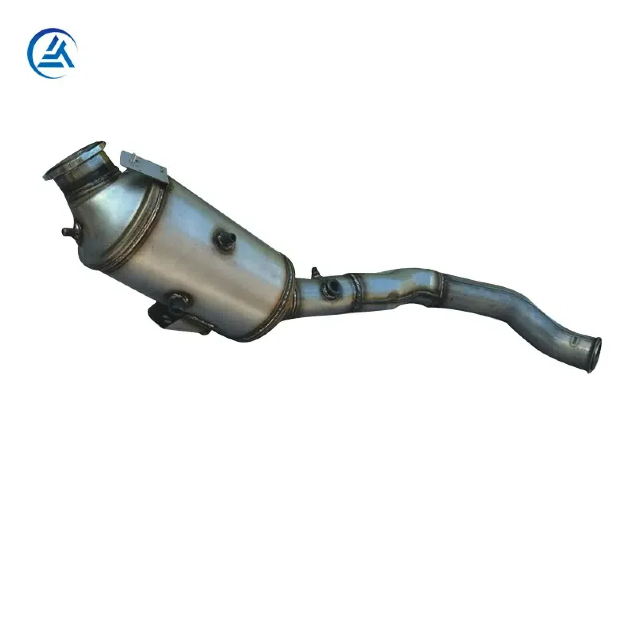
A diesel particulate filter captures microscopic soot particles from exhaust gases to reduce harmful emissions. Over time, this soot accumulates and increases exhaust backpressure, which can reduce engine performance. Regeneration is the process of burning off this trapped soot at high temperatures, converting it into harmless gases. This restores the filter’s capacity and keeps your exhaust system operating within optimal parameters.
Without regular regeneration, soot build-up can trigger limp mode, restrict exhaust flow, and even cause damage to the turbocharger or engine internals. The DPF works best when regeneration happens frequently and effectively, keeping it as close to its original free-flowing condition as possible.
Driver-Led Regeneration
Recommended driving pattern
In many vehicles, soot can be cleared through passive or active regeneration during normal driving. However, short city trips or frequent stop-start traffic often fail to raise exhaust temperatures high enough for effective soot burn-off. To encourage regeneration, drive at a sustained moderate-to-high speed (such as highway driving) for 30–60 minutes, depending on your vehicle’s requirements. This steady operation raises the DPF temperature and allows accumulated soot to burn away naturally.
For example, taking your vehicle on a weekly highway trip instead of using it exclusively for short errands can dramatically reduce DPF-related issues. This habit also ensures that your regeneration cycles are completed without being interrupted.
Avoiding behaviours that stop regeneration
Repeated short trips, cold starts, and extended idling can prevent your DPF from reaching the necessary temperature for regeneration. Similarly, frequently shutting off the engine during the process interrupts the cycle, allowing soot to build up faster. Driving with a half-completed regeneration cycle can cause the ECU to start another regeneration soon after, leading to wasted fuel and more wear on the system.
Other habits to avoid include unnecessary engine revving when stationary and carrying excessive loads without need — both can increase soot production and make regeneration less efficient.
Vehicle-Initiated Active Regeneration
How the ECU triggers regeneration
When soot levels reach a certain threshold, the engine control unit (ECU) initiates active regeneration. This process uses controlled post-injection of fuel to raise exhaust gas temperatures to around 600°C or higher, burning off soot deposits in the DPF. Drivers may notice signs such as a temporarily higher idle speed, cooling fans running, or a regeneration message on the dashboard. Some vehicles will slightly change engine tone or feel during this process, while others may produce a hotter exhaust smell.
Safety tips during active regeneration
If active regeneration begins while you are driving, it’s important to let the process finish uninterrupted. Stopping the engine midway can leave the DPF partially cleaned, increasing the risk of a blockage. Avoid parking in areas with flammable materials beneath the exhaust system, as high exhaust temperatures are involved. Allowing active regeneration to complete ensures your DPF maintains peak performance and helps extend its service life.
It’s also worth noting that certain vehicles can delay active regeneration if fuel levels are too low or engine temperatures are outside the optimal range. Keeping at least a quarter tank of fuel and maintaining regular servicing helps ensure the regeneration process works when needed.
Forced or Parked Regeneration at Workshops
When forced regeneration is required
Sometimes, normal regeneration methods are not enough. If the DPF is severely blocked, the ECU may restrict engine power or display warning codes, indicating the need for forced regeneration. This often occurs when multiple active regeneration attempts have failed or when the soot load is too high for on-road cleaning. In these cases, continuing to drive without addressing the problem can lead to expensive repairs, including the need to replace the DPF entirely.
How workshops perform forced regeneration
In a workshop setting, technicians use specialized diagnostic tools to initiate a forced or “parked” regeneration while the vehicle is stationary. The process safely raises exhaust temperatures to burn off excess soot. For extreme blockages or high ash content, the DPF may be removed for professional off-car cleaning, which can include thermal treatment, air blasting, or liquid flushing to restore full filter capacity.
Some advanced cleaning processes combine heat with controlled airflow to remove both soot and ash without damaging the filter substrate. At Shandong Antian New Materials Technology Co., Ltd., our diesel particulate filters are built with robust materials that can withstand repeated regeneration cycles and professional cleaning, helping fleet operators and individual vehicle owners extend the life of their filters.
Red Flags — When Regeneration Isn’t Enough
Persistent faults or high ash levels
Soot is combustible and can be removed through regeneration, but ash — a byproduct of burned engine oil and fuel additives — is not. Over time, ash accumulates inside the filter and reduces its capacity. Signs that regeneration is no longer sufficient include frequent DPF warning lights, consistently high differential pressure readings, reduced fuel efficiency, and repeated power loss. In such cases, professional cleaning or DPF replacement becomes necessary to prevent engine damage.
At Shandong Antian New Materials Technology Co., Ltd., we manufacture advanced diesel particulate filters with improved ash-handling capacity and high thermal durability. Our designs help delay the need for complete filter replacement, saving vehicle owners time and money while maintaining compliance with strict emissions regulations.
The cost of ignoring the signs
If a blocked DPF is ignored, the problem can escalate beyond a simple cleaning. Exhaust gas temperatures can rise excessively, damaging nearby components. Increased backpressure can strain the engine, reduce fuel economy, and lead to premature turbocharger failure. Addressing DPF warnings promptly ensures that a small issue does not become a major expense.
Proactive Maintenance Tips
To keep your diesel particulate filter healthy for as long as possible, pair proper regeneration practices with proactive maintenance:
Use high-quality low-ash engine oil to minimize residue buildup.
Keep up with scheduled servicing, including checking sensors that monitor DPF pressure and temperature.
Avoid unnecessary idling, which wastes fuel and increases soot output.
Monitor dashboard alerts closely and take action before the filter reaches critical blockage levels.
Consider periodic professional inspections for high-mileage or heavy-duty vehicles.
These steps work together with proper regeneration habits to ensure your DPF remains efficient, helping you meet emissions standards and extend the life of your exhaust system.
Conclusion
Maintaining a diesel particulate filter is about understanding the right regeneration process at the right time. Start with regular long drives to encourage passive soot burn-off, allow active regenerations to complete when initiated by your vehicle, and seek professional forced regeneration if the filter becomes too clogged. Combine these practices with high-quality products like those from Shandong Antian New Materials Technology Co., Ltd., where our diesel particulate filters are engineered for long service life, efficient soot capture, and reliable regeneration performance. For more information on our DPF solutions and how they can keep your vehicle running clean and compliant, contact us today.


