A blocked diesel particulate filter can cause power loss, higher fuel consumption, and warning lights on your dashboard. If you’ve been wondering how do I clean a diesel particulate filter safely and effectively, this guide will walk you through the right steps — from diagnosing the problem, trying regeneration, exploring safe DIY measures, and knowing when it’s time for professional cleaning or replacement. At Shandong Antian New Materials Technology Co., Ltd., we design advanced DPFs that are easier to maintain and last longer, reducing the risk of costly clogs.
First Step — Check Whether It Really Needs Cleaning
Before you start any cleaning process, confirm whether the DPF is truly blocked and to what extent. Misdiagnosis can lead to wasted time and unnecessary work.
Read Fault Codes and Monitor Pressure
If your vehicle is equipped with onboard diagnostics (OBD), use a scan tool to check for fault codes related to the DPF, such as high differential pressure or regeneration failure. The differential pressure sensor measures the pressure difference between the inlet and outlet of the filter — higher readings usually mean there’s more soot or ash buildup. In some cases, a clogged sensor or faulty wiring can trigger a false DPF warning.
Common Symptoms of DPF Clogging
Illuminated DPF warning light on the dashboard.
Frequent active regeneration attempts that fail to complete.
Loss of engine power or limp mode activation.
Increased fuel consumption due to higher backpressure.
If you see these signs, it’s time to take action — but start with the simplest and safest option first.
Passive and Active Regeneration — The First Cleaning Option
The diesel particulate filter is designed to clean itself through regeneration. Always try this process before considering removal for manual cleaning.
What Passive Regeneration Is and When It Happens
Passive regeneration occurs naturally when exhaust temperatures reach high levels, typically during sustained highway driving at steady speeds. The heat burns off the accumulated soot and clears the filter without any driver intervention. However, for drivers who make mostly short trips, exhaust temperatures may never get high enough to trigger passive regeneration effectively.
What Active Regeneration Is and How to Help It
Active regeneration is initiated automatically by the engine control unit (ECU) when the DPF reaches a certain soot load — often around 45–50%. The ECU injects extra fuel late in the combustion cycle to raise exhaust temperatures (around 600°C), burning off soot. You may notice a higher idle speed or a change in exhaust note during this process. To help active regeneration complete:
Drive at highway speeds (over 60 km/h or 37 mph).
Maintain engine RPM above 2,000 for 15–30 minutes.
Avoid turning off the engine mid-process.
Safe DIY Measures — Only When Applicable
If regeneration is unsuccessful and the filter is accessible, certain DIY methods may be attempted. However, caution is essential — improper cleaning can damage the filter’s delicate ceramic structure.
Driving Protocol to Encourage Regeneration
If your driving pattern usually involves short trips, schedule regular longer drives to keep the DPF healthy:
Once every few weeks, take the vehicle on a 20–30 minute highway run.
Keep RPM steady and avoid frequent stops.
Use high-quality diesel fuel to minimize soot production.
Off-Car Cleaning Cautions
Removing the DPF for off-car cleaning should only be attempted if you have the proper tools and experience. Avoid harsh chemicals or unverified “DPF cleaning fluids” — some may cause internal cracking or leave harmful residues.
When Pressure Washing is an Option
In some cases, careful low-pressure washing with warm (not boiling) water can remove ash deposits after the filter is removed. Always spray in the opposite direction of exhaust flow to prevent pushing debris deeper into the substrate. This method should be followed by thorough drying before reinstallation. Never use cold water on a hot DPF, as thermal shock can cause damage.
Professional Cleaning and Repair Options
When DIY options aren’t enough, professional cleaning is the safest and most effective route.
Thermal or Baked Cleaning
This involves placing the DPF in a controlled high-temperature oven that burns away soot and loosens ash, which is then removed with compressed air. This method is effective for heavily clogged filters and restores flow rates close to new.
Ultrasonic, Chemical, or Machine Cleaning
Some workshops use ultrasonic cleaning machines to dislodge ash particles or safe chemical baths that dissolve stubborn deposits. Professional chemical cleaning uses solutions specifically formulated for DPF substrates — far safer than generic cleaners.
When Replacement Is the Only Safe Option
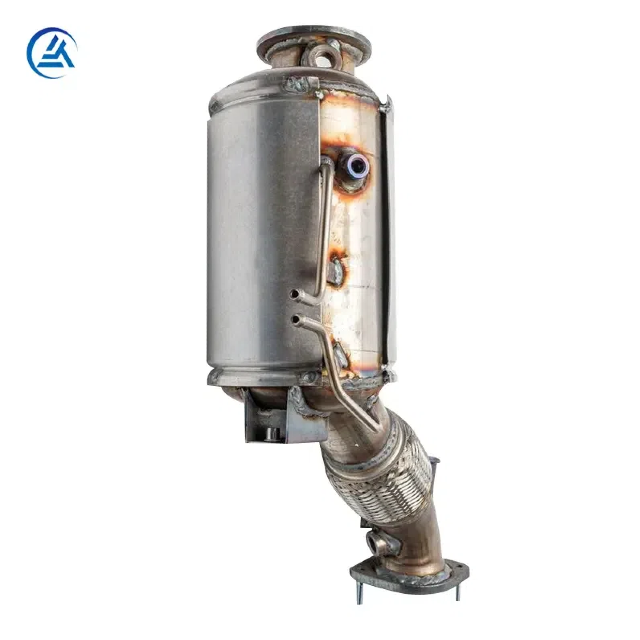
If the filter substrate is cracked, melted, or otherwise structurally damaged, cleaning won’t restore it. In such cases, replacement is the only option. At Shandong Antian, our diesel particulate filters are built to withstand repeated regeneration cycles and cleaning processes, extending service life compared to standard filters.
Preventive Maintenance to Avoid Repeat Clogging
Keeping a DPF clean starts with good maintenance habits.
Fuel and Oil Quality
Always use high-quality diesel fuel with low sulfur content. Poor fuel quality increases soot production, and low-grade engine oil can add to ash buildup.
Driving Patterns
If your daily driving involves short city trips, make time for periodic longer drives to allow regeneration. Some fleet operators schedule these “regeneration runs” weekly to prevent buildup.
Monitor Related Systems
Issues with the Exhaust Gas Recirculation (EGR) valve, Diesel Exhaust Fluid (DEF) dosing, or turbocharger performance can all contribute to higher soot production. Regular inspection of these components will help keep the DPF functioning optimally.
Quick DPF Cleaning Checklist
Diagnose: Scan for fault codes and check differential pressure.
Regenerate: Attempt passive or active regeneration.
DIY: If confident, follow safe cleaning practices.
Professional: Seek expert thermal, ultrasonic, or chemical cleaning.
Replace: Only if damage is beyond repair.
High-Performance DPFs from Shandong Antian
At Shandong Antian New Materials Technology Co., Ltd., we manufacture diesel particulate filters designed for durability, efficiency, and easy maintenance. Our advanced materials and optimized honeycomb structures make our filters more resistant to clogging, ensuring fewer interruptions for cleaning. For fleet managers and individual owners alike, investing in a high-quality DPF reduces downtime, improves fuel economy, and keeps vehicles compliant with environmental standards.
Conclusion
Cleaning a diesel particulate filter isn’t just about restoring performance — it’s about protecting your engine and ensuring compliance with emissions laws. The process should follow a clear path: diagnose, attempt regeneration, try safe DIY measures only if you’re confident, and turn to professionals if symptoms persist. At Shandong Antian New Materials Technology Co., Ltd., we provide advanced diesel particulate filter solutions that keep your vehicles running clean, efficient, and trouble-free. Contact us today to learn more about our DPF products and maintenance support.


