Are you staring at recurring dashboard warning lights or struggling through failed forced regenerations? Dealing with a vehicle stuck in limp mode feels incredibly frustrating for any owner. These symptoms often point directly to a compromised exhaust system requiring immediate attention. Replacing a dpf for mercedes bluetec engines, like the popular OM642, represents a massive mechanical and financial decision. The complex integration between the soot trap and the SCR/AdBlue system makes this repair particularly high-stakes. Choosing the wrong replacement path can trigger a cascade of expensive secondary failures across the entire exhaust architecture. This guide serves as a transparent, evidence-based framework to help owners and fleet operators evaluate their options. You will learn how to weigh OEM versus aftermarket replacement paths confidently. We will show you how to spot high-quality parts without falling for unverifiable durability claims.
Key Takeaways
Compatibility is strict: Exact OEM part number matching (e.g., 164-490-75-36) and sensor alignment are non-negotiable for BlueTEC systems to prevent recurring ECU faults.
Material dictates lifespan: A durable emission filter relies on high-grade substrates (Silicon Carbide vs. Cordierite) and proper precious metal washcoats.
Aftermarket vs. OEM: Premium direct-fit aftermarket options exist, but require rigorous vetting against an OEM Mercedes DPF to ensure emissions compliance and longevity.
System reset required: Physical installation is only half the job; ECU adaptation and AdBlue system synchronization are mandatory for successful rollout.
The Performance and Financial Impact of DPF Failure
A severely clogged Mercedes BlueTEC DPF disrupts your entire driving experience and threatens engine longevity. The core issue begins silently when normal exhaust temperatures fall too low. Passive regeneration stops working during typical stop-and-go city commutes. Soot builds up rapidly inside the tiny channels of the ceramic honeycomb structure. Soon, the engine control unit (ECU) attempts active regeneration. It injects extra fuel into the cylinders late in the combustion stroke to artificially raise exhaust heat. If you interrupt these cycles by turning off the engine, the system eventually locks you out. The dashboard lights up with emission warnings. The vehicle drops into a restrictive "limp mode" to protect the engine block from overheating. Engine power plummets, transmission shifts become harsh, and highway driving becomes completely unsafe.
Ignoring these escalating symptoms causes severe collateral damage across other engine bay components. High soot loads create immense exhaust backpressure. This pressure pushes forcefully against the turbocharger turbine wheel. Over time, it destroys the delicate dynamic seals inside the turbocharger. Oil then leaks directly into the exhaust tract, creating an even worse, sticky clog. Furthermore, a bypassed or heavily damaged filter disrupts the downstream AdBlue/DEF injection system. The selective catalytic reduction (SCR) system expects a specific, measured exhaust gas flow. Poor flow dynamics cause DEF fluid to pool and crystallize inside the pipes. You then face a catastrophic double failure. You must replace the main soot trap and the expensive SCR injector module simultaneously.
OEM vs. Aftermarket: Evaluating Replacement Categories
When replacing your emission control unit, you face three primary paths. Each path offers distinct advantages and carries significant operational risks.
The OEM Route (New & Remanufactured)
Choosing a factory replacement provides supreme peace of mind. Dealerships offer brand new or factory-remanufactured units directly from the manufacturer. These guarantee seamless software synchronization with your specific ECU software version. You get a reliable, benchmark standard baseline for an OEM diesel soot filter. Dealerships also provide official, nationwide warranty support. If a welded sensor bung fails prematurely, the warranty protects your wallet.
However, this route demands a premium price tier. Dealership prices frequently double or triple those of independent suppliers. Furthermore, remanufactured parts often carry strict core return requirements. You must return your old unit in good physical condition to retrieve your core deposit. If your old substrate melted internally due to extreme heat, the dealer will likely reject the core. This rejection adds hundreds of unexpected dollars to your final repair bill.
Premium Direct-Fit Aftermarket
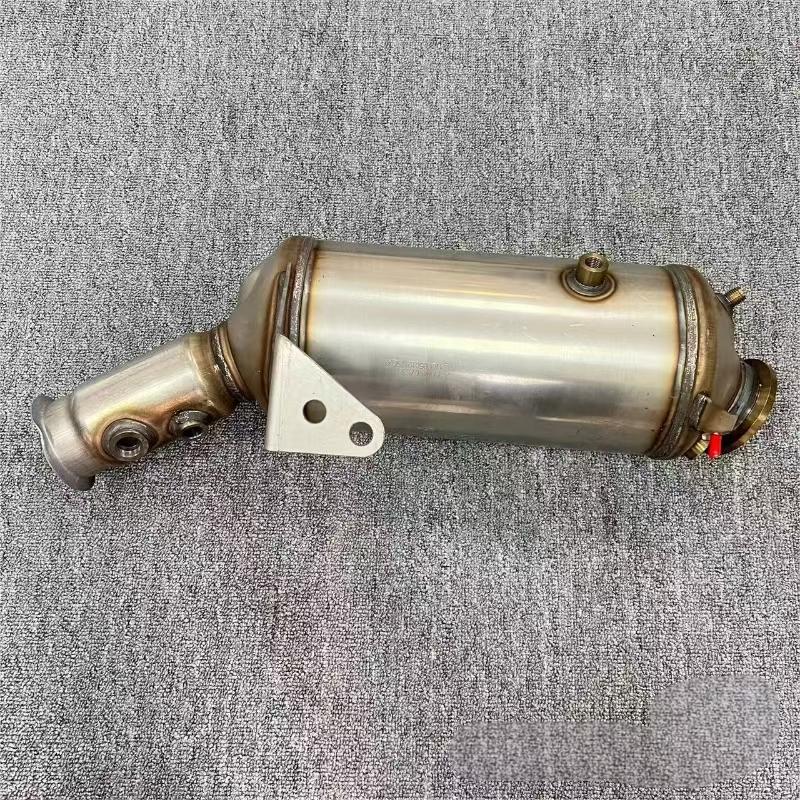
Independent manufacturers offer excellent alternatives if you know exactly what to evaluate. High-quality aftermarket replacements feature CNC-machined mounting flanges. They boast exact sensor bung placements matching the factory original. These precision details ensure a seamless physical installation for your mechanic. Premium aftermarket units perform identically to the factory original while saving you substantial capital.
Watch out for severe red flags in this product category. Avoid any "universal fit" options at all costs. These cheap alternatives require manual cutting, bending, or welding. Modifying the exhaust pipe frequently triggers immediate backpressure sensor faults. BlueTEC engines use highly sensitive monitoring algorithms to evaluate exhaust flow. A slightly altered pipe diameter or a poorly welded seam throws constant check engine codes.
Professional Cleaning vs. Replacement
Sometimes, you can save the original component through professional intervention. High-pressure ultrasonic and specialized thermal cleaning works well under specific, limited conditions. If your unit only suffers from high incombustible ash accumulation over a high mileage lifespan, cleaning restores it effectively. Routine maintenance makes cleaning a highly viable, cost-effective solution.
Conversely, cleaning fails entirely if the internal ceramic substrate is permanently compromised. A melted, fractured, or cracked core requires immediate full replacement. If a leaking fuel injector dumped raw diesel into the exhaust, the resulting uncontrolled thermal event destroys the core matrix. Always ask your technician to inspect the substrate with a high-definition borescope before paying for expensive cleaning services.
Core Evaluation Criteria for a Durable Emission Filter
Selecting a durable emission filter requires looking closely past the shiny exterior metal. You must evaluate the internal construction materials and warranty terms meticulously.
The substrate material forms the absolute heart of the unit. Manufacturers primarily use two different internal materials. Cordierite offers a cheaper price point but has a notably lower thermal threshold. It melts much faster during aggressive, forced regeneration cycles. Silicon Carbide (SiC) provides vastly superior heat resistance. SiC closely matches the original factory engineering specification. It handles extreme temperature spikes during active regeneration without fracturing.
Next, consider the internal catalyst washcoat quality. This microscopic coating contains expensive Platinum Group Metals (PGMs). The exact concentration of PGMs directly affects passive regeneration efficiency. High PGM levels help burn off trapped soot at lower, normal cruising temperatures. A cheap washcoat with low precious metal content triggers frequent, fuel-heavy active regenerations. It also risks long-term federal emission compliance failure.
Casing and weld integrity matter just as much as the internal core. The exterior metal shell endures extreme thermal cycling every time you drive. It faces brutal winter road salt and chemical corrosion. You need 409 or 304-grade stainless steel to resist deep rust. Weak, automated welds crack under constant road vibration, causing dangerous exhaust gas leaks into the cabin.
Finally, navigate warranty and support assumptions transparently. Read the supplier fine print carefully. Check if the warranty actually covers premature clogging or structural substrate failure. Many independent suppliers require documented proof of a perfectly clean fuel system. They may legally void your claim if you cannot prove you replaced faulty injectors or sensors first.
Here is a comparison chart of the main substrate materials to aid your decision:
| Substrate Material | Thermal Resistance | Cost Tier | Best Vehicle Use Case |
| Cordierite Ceramic | Moderate (Melts at lower temps) | Economical | Short-term vehicle ownership, light commuting |
| Silicon Carbide (SiC) | Excellent (OEM Spec Equivalent) | Premium | Long-term ownership, heavy towing, severe duty |
Implementation Realities: Fitment, Sensors, and ECU Adaptation
Physical installation represents just one phase of the complete replacement journey. Proper hardware integration requires precise sensor handling and advanced software management.
Sensor port alignment is absolutely critical to the repair process. You must migrate or replace the sensitive differential pressure sensors carefully. The exhaust gas temperature (EGT) probes demand equal caution during extraction. Mechanics often strip the delicate threads during removal because of extreme heat cycling. Using premium high-temperature anti-seize compound prevents future thread damage. Accurate, uninterrupted sensor readings keep the engine control module running efficiently.
You must also address the complex AdBlue/SCR connection downstream. The main soot trap interacts directly with the secondary SCR catalysts. Replacing the front unit often requires closely inspecting the rear modules. You should check the DEF injector nozzle for heavy crystallization. Solidified urea blocks exhaust flow completely and triggers secondary catalytic efficiency codes. Clean the injection nozzle thoroughly during the physical replacement process to prevent recurring check engine lights.
ECU adaptation stands as the single most crucial final step. Merely bolting on a new OEM Mercedes DPF will not magically clear the dashboard codes. The Engine Control Unit retains the old, clogged operational parameters in its memory. You must reset the system via specialized factory diagnostic software, like XENTRY. The software logs the new component and resets the internal ash counter to zero. Skipping this software step forces the ECU to run incorrect, aggressive regeneration cycles. This technical oversight routinely ruins a brand-new filter in a matter of weeks.
Follow this numbered sequence for successful system installation:
Disconnect the main battery to protect the sensitive ECU circuits.
Apply penetrating fluid and remove EGT and pressure sensors carefully.
Inspect the downstream DEF injector for urea crystal buildup.
Install the new unit using OEM-grade metal crush gaskets.
Perform the mandatory ECU ash counter reset via advanced diagnostic software.
Shortlisting Logic: Making the Final Purchasing Decision
Making the final hardware choice depends heavily on your long-term ownership goals. Start by determining your intended vehicle lifecycle. Do you plan to keep the vehicle running for another 100,000 miles? If so, lean heavily toward a factory original or a verified premium SiC aftermarket unit. These robust parts handle long-term abuse effectively. Conversely, are you selling or trading the vehicle within a year? A reputable Cordierite aftermarket option may suffice. It provides immediate emissions compliance and clears the dashboard codes at a much lower initial price point.
Always match the original equipment number precisely. Never guess the part number based on the vehicle model year alone. Automakers frequently change exhaust configurations mid-production year to meet shifting regulations. Instruct your parts dealer to cross-reference your exact 17-digit VIN. Match the resulting alphanumeric code directly against the Mercedes part database. Installing a mismatched unit causes permanent sensor alignment issues and guarantees failed MOT inspections.
Conclusion
Succeeding with your complex emission system repair requires a highly strategic approach. You must prioritize internal substrate quality and exact physical fitment above all else. These specific factors matter far more than upfront cost savings. A suspiciously cheap replacement often leads to expensive repeat labor, software headaches, and ruined weekends. By choosing high-grade materials and ensuring proper ECU adaptation, you guarantee long-term engine reliability. Your immediate next step is simple and actionable. Retrieve your vehicle's exact OE part number today. You can find this alphanumeric code stamped directly on the original filter housing, or by calling the dealership parts counter with your VIN. Use this exact number as your baseline to compare vendors and secure the correct, durable replacement for your engine.
FAQ
Q: Can I delete the DPF on my Mercedes BlueTEC?
A: Do not delete your emissions equipment. Doing so violates Federal emissions laws and guarantees MOT or EPA compliance failure. You risk facing massive financial fines. Furthermore, deleting requires complex software reprogramming. This non-standard coding destabilizes the engine control unit. It causes random failures in other vehicle communication modules over time. Keep your vehicle legal and reliable by replacing faulty hardware instead of deleting it.
Q: How long should a replacement DPF last on a BlueTEC engine?
A: A high-quality replacement typically lasts between 80,000 and 120,000 miles. However, this lifespan depends heavily on your driving style. Frequent highway driving promotes healthy passive regeneration. Short city commutes accelerate soot buildup rapidly. You must also strictly use the approved Low-SAPS engine oil. Standard oils contain high SAPS levels, which create excessive incombustible ash and clog the honeycomb structure prematurely.
Q: Why did my new DPF clog so quickly after installation?
A: A rapid clog indicates an unresolved upstream engine issue. Leaking fuel injectors dump excessive raw fuel into the exhaust, creating massive soot loads. A faulty EGR valve increases baseline soot production dramatically. Furthermore, a failed turbocharger seal burns engine oil directly into the trap. You must accurately diagnose and fix these mechanical root causes before installing expensive new emissions hardware.
Q: Will a generic OBD2 scanner clear the DPF replacement codes?
A: No, most standard generic OBD2 scanners cannot complete the necessary software adaptations. Clearing the visual check engine light on your dashboard is insufficient. You need advanced diagnostic tools, such as XENTRY or high-end bidirectional scanners. These tools perform the specific "DPF Replacement" and "Ash Counter Reset" commands required by the engine module. Skipping this step ruins the new part quickly.


