A diesel particulate filter (DPF) is a crucial component in modern diesel engines, designed to capture and store soot from exhaust gases before they are released into the atmosphere. This technology has become standard in most diesel-powered vehicles to meet increasingly strict emissions regulations. At Shandong Antian New Materials Technology Co., Ltd., we specialize in manufacturing high-performance diesel particulate filters that not only meet but exceed environmental compliance standards, ensuring cleaner air and better engine performance. Our expertise and advanced production facilities enable us to deliver products that combine durability, efficiency, and innovation.
Basic Definition — What the DPF Is
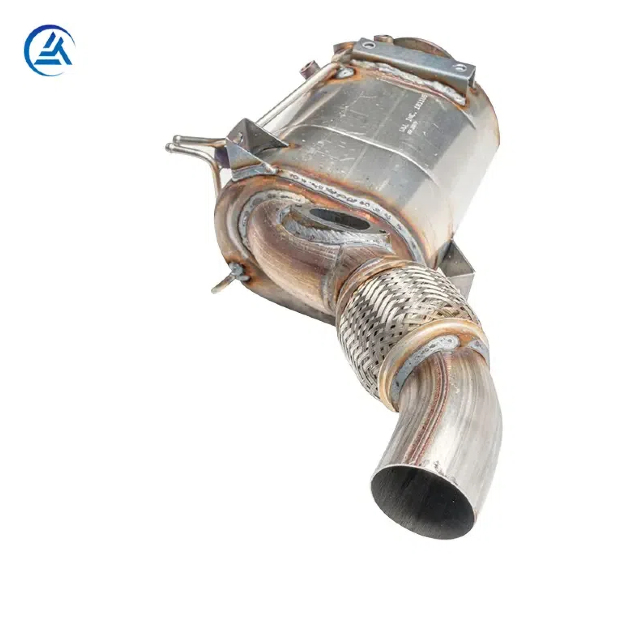
Physical Form and Structure
A diesel particulate filter is typically made from a high-grade ceramic material, such as cordierite or silicon carbide, formed into a honeycomb structure. This honeycomb design creates thousands of small channels, each acting as a trap for particulate matter while allowing exhaust gases to pass through. The filter is integrated directly into the vehicle’s exhaust system, positioned to optimize performance and durability. In high-demand applications, the materials are selected not only for filtration efficiency but also for thermal shock resistance, as the DPF is constantly exposed to fluctuating exhaust temperatures and pressure.
What It Captures
The primary purpose of the DPF is to capture soot, a byproduct of diesel combustion that appears as fine carbon particles. These particles, also called particulate matter (PM), are harmful when inhaled and contribute to air pollution. Over time, ash — from fuel additives and engine oil — can also accumulate in the filter. While soot can be burned off through regeneration processes, ash buildup requires physical cleaning or filter replacement. A well-designed DPF, such as those from Shandong Antian, is engineered to manage soot accumulation efficiently while reducing ash buildup, thereby extending service intervals and lowering maintenance costs.
Why DPFs Were Introduced
Health and Air-Quality Reasons
Diesel engines are valued for their efficiency and torque, but without after-treatment systems, they emit higher levels of particulate matter compared to gasoline engines. These particles are small enough to penetrate deep into the lungs, posing significant health risks, including respiratory and cardiovascular issues. Introducing DPF technology drastically reduces these emissions, improving air quality in urban areas and along transportation corridors. Cleaner air means healthier communities, and the widespread use of DPFs has been a significant step toward achieving public health goals.
Regulatory Drivers and Compliance Role
Government regulations worldwide — from Euro 5 and Euro 6 standards in Europe to EPA rules in the United States — mandate strict limits on particulate emissions from diesel engines. The DPF plays an essential role in helping manufacturers meet these targets. For vehicle owners, maintaining a functional DPF is not only an environmental responsibility but also a legal requirement in many regions. Driving with a damaged or removed DPF can lead to fines, failed inspections, and higher long-term costs. Many jurisdictions now conduct on-board diagnostics (OBD) checks specifically to ensure the DPF is in place and functioning properly, making its upkeep a non-negotiable aspect of diesel vehicle ownership.
The DPF’s Place in the Exhaust System
Relationship with DOC, SCR, and Sensors
In most modern exhaust after-treatment setups, the DPF works in conjunction with other components. The Diesel Oxidation Catalyst (DOC) is positioned upstream of the DPF and helps convert hydrocarbons and carbon monoxide into less harmful gases while also raising exhaust temperatures for regeneration. Selective Catalytic Reduction (SCR) systems, often located downstream, reduce nitrogen oxides (NOx) using a urea-based solution. Temperature and pressure sensors before and after the DPF constantly monitor its performance, ensuring timely regeneration and preventing damage. Without these sensors and the communication they provide to the engine control unit (ECU), the system would not be able to maintain optimal filter function.
Why Location and Temperature Matter
The effectiveness of a DPF largely depends on its operating temperature. For soot to burn off during passive regeneration, exhaust gases need to reach a certain heat threshold. This is why the DPF is typically located close to the engine, where exhaust temperatures are higher. Placement also influences how quickly the filter can heat up, which is vital for efficient operation, especially in short-trip driving scenarios. For heavy-duty or industrial diesel applications, where engines often run at lower loads, active regeneration strategies are integrated to ensure that the DPF still reaches the necessary temperature to clear soot buildup.
Short List of Owner Impacts
Dashboard Indicators to Watch
Most vehicles equipped with a diesel particulate filter have a dedicated DPF warning light. If this light comes on, it often indicates that the filter is becoming clogged and needs regeneration. Other signs include reduced engine performance, increased fuel consumption, and unusual exhaust smells. In advanced systems, the driver may also receive a message instructing them to continue driving at highway speeds to allow regeneration to complete. Ignoring these indicators can accelerate wear and lead to costly repairs.
Consequences of Neglect
A neglected or blocked diesel particulate filter increases backpressure in the exhaust system, forcing the engine to work harder. This can reduce fuel efficiency, cause overheating, and potentially damage engine components. In severe cases, a fully blocked DPF can make the vehicle undriveable. Preventative maintenance, quality filter design, and timely regeneration are key to avoiding these issues. Fleet operators in particular can save significant operational costs by investing in DPFs that resist clogging and maintain efficiency over long service intervals, minimizing downtime.
High-Performance DPF Solutions from Shandong Antian
At Shandong Antian New Materials Technology Co., Ltd., we design and manufacture diesel particulate filters with precision engineering and advanced materials to deliver superior performance. Our production facilities in the High-tech Industrial Park Development Zone, Ningjin County, are equipped with cutting-edge technology, making us one of the largest and most advanced exhaust after-treatment system manufacturers in northern China.
Our DPFs are developed to handle high soot loads without compromising flow efficiency. By incorporating advanced substrate materials and optimized channel design, our filters maintain performance over extended service intervals. This reduces the risk of a blocked diesel particulate filter, which can disrupt operations and increase maintenance costs for vehicle owners and fleet operators.
We understand that compliance with environmental standards is more than just a regulation — it’s a commitment to sustainability. That’s why our DPF products not only meet current emission standards but are also designed with future regulations in mind. Our engineering teams continuously research and refine filter technology, ensuring that our products perform reliably under extreme operating conditions, from high-mileage highway driving to stop-and-go urban traffic. Whether you operate heavy-duty trucks, buses, construction machinery, or passenger diesel vehicles, our filters offer the durability, efficiency, and environmental performance you need.
Conclusion
A diesel particulate filter is more than just an emissions control device — it’s essential for keeping diesel engines efficient, compliant, and environmentally responsible. By trapping harmful particulate matter before it reaches the atmosphere, the DPF protects both public health and engine performance. At Shandong Antian New Materials Technology Co., Ltd., our state-of-the-art diesel particulate filter solutions provide the reliability, efficiency, and compliance vehicle owners demand. Contact us today to learn how our advanced DPF technology can keep your diesel vehicles running clean and strong.


