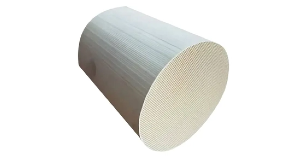
Catalytic converters are vital components in reducing the harmful emissions produced by vehicles. They use precious metals like platinum, palladium, and rhodium within a honeycomb catalyst structure to convert harmful gases into safer substances like carbon dioxide and water vapor. However, catalytic converters can experience a build-up of carbon deposits over time, which can affect their performance and efficiency. Understanding how to remove carbon from a catalytic converter is crucial for maintaining optimal engine performance and prolonging the lifespan of your vehicle.
Common Causes of Carbon Build-Up in Catalytic Converters
Engine Misfires and Inefficient Combustion
One of the leading causes of carbon build-up in catalytic converters is poor engine combustion. When the engine misfires or combustion is inefficient, it produces excess carbon, which then enters the exhaust system. Over time, this carbon accumulates inside the catalytic converter, clogging its pores and restricting the flow of exhaust gases. This can significantly reduce the efficiency of the converter and even cause engine performance issues like rough idling or stalling.
A misfire can happen due to various reasons, such as faulty spark plugs, ignition coils, or fuel injectors, which fail to deliver the proper spark or fuel for efficient combustion. These issues can lead to incomplete combustion, causing carbon and soot to form and ultimately end up in the catalytic converter.
Low-Quality Fuel and Engine Issues
Another major factor contributing to carbon build-up in catalytic converters is the use of low-quality fuel. Poor-grade fuel often contains impurities or additives that can burn inefficiently in the engine, resulting in an increased amount of carbon in the exhaust gases. If your vehicle consistently uses low-quality fuel or if your engine is not regularly maintained, this can accelerate carbon build-up and clog the catalytic converter faster.
Additionally, issues like dirty air filters or a malfunctioning exhaust system can prevent the engine from running optimally, leading to an increase in carbon deposits. Keeping your engine well-maintained and using high-quality fuel can significantly reduce the chances of carbon build-up.
Methods to Remove Carbon from Catalytic Converters
Manual Cleaning Methods
Physical Cleaning Techniques
If carbon deposits have begun to accumulate within your catalytic converter, you may be able to clean it manually using specialized tools. The first step is to remove the catalytic converter from the vehicle, which can be a difficult and time-consuming process, especially if it's welded in place. Once the catalytic converter is removed, you can perform a physical cleaning of the honeycomb catalyst structure.
One common method is to gently knock on the exterior of the converter with a rubber mallet to dislodge any loose carbon deposits. Some vehicle owners choose to use compressed air to blow out the debris from the converter. However, this process requires precision, as excessive force can damage the delicate honeycomb structure inside the catalytic converter. While this technique may help dislodge loose debris, it often isn’t sufficient for stubborn or heavy carbon build-up.
When to Consider Professional Cleaning Services
If manual cleaning techniques don’t effectively remove the carbon build-up, it may be time to consider professional cleaning services. These services typically involve more thorough cleaning methods, which are capable of handling significant carbon deposits that are difficult to remove manually.
Professional services can perform chemical treatments, use ultrasonic cleaning machines, or even flush out the converter with specialized cleaning solutions to break down the carbon. This option can restore the catalytic converter to its full functionality without needing a complete replacement.
Chemical Cleaning Methods
Fuel Additives
Fuel additives are a popular method for tackling carbon build-up before it becomes a serious issue. These additives work by helping to break down carbon deposits inside the catalytic converter as well as in the engine. By adding these cleaners to your fuel tank, the additive works to clean the exhaust system while the vehicle is running. Over time, the carbon deposits will be loosened and flushed out of the catalytic converter.
Fuel additives are easy to use and can be an effective way to prevent significant carbon build-up. However, it is important to note that while fuel additives can help reduce minor carbon deposits, they may not be sufficient if the carbon build-up is already severe. In such cases, more intensive methods like chemical treatments or professional cleaning may be needed.
Chemical Cleaning Solutions
For more stubborn carbon deposits, chemical cleaning treatments may be necessary. These treatments are designed to dissolve and break down the hardened carbon deposits inside the catalytic converter. Some specialized catalytic converter cleaners are available for purchase, which can be added directly into the exhaust system. These products work by using chemicals that break down the carbon, allowing it to be flushed out when the vehicle is driven.
When using chemical cleaning solutions, it’s essential to follow the manufacturer’s instructions to avoid damaging the sensitive internal components of the catalytic converter. For severe carbon build-up, professional chemical cleaning may be required to restore the converter's functionality.
Removing and Replacing the Catalytic Converter
If carbon build-up becomes excessive and cleaning methods fail to restore the catalytic converter's functionality, the only remaining option may be to replace it entirely. A clogged or damaged catalytic converter can lead to reduced engine performance, increased fuel consumption, and even cause your vehicle to fail emissions tests. Replacing a catalytic converter can be expensive, but it may be the best option if the damage is beyond repair.
Preventing Carbon Build-Up in Catalytic Converters
Routine Vehicle Maintenance
The most effective way to prevent carbon build-up in your catalytic converter is through regular vehicle maintenance. This includes routine checks on your engine, fuel system, and exhaust system. Regular oil changes, air filter replacements, and fuel system cleanings help ensure that the engine runs efficiently and combustion is as complete as possible, reducing the chances of carbon formation.
Additionally, make sure to monitor the condition of your spark plugs and fuel injectors, as malfunctioning components can contribute to inefficient combustion and carbon build-up.
Use of Premium Fuels and Additives
Using high-quality fuel can also help prevent carbon deposits in the catalytic converter. Premium fuels often burn cleaner, producing fewer impurities and reducing carbon formation. Some premium fuels contain additives that help to keep the engine and exhaust system clean, minimizing the risk of clogging the catalytic converter.
In addition, fuel additives can be used regularly to further reduce carbon build-up. These additives are designed to clean the fuel injectors, combustion chambers, and exhaust system, which can help keep the catalytic converter functioning properly.
Risks of Not Removing Carbon Deposits
Engine Performance and Efficiency Issues
If carbon build-up is not addressed, it can have a significant impact on engine performance. A clogged catalytic converter restricts the flow of exhaust gases, leading to reduced fuel efficiency, lower engine power, and poor acceleration. Over time, this can lead to more severe engine issues, including misfires, stalling, or even engine failure.
Potential for Permanent Damage
Ignoring carbon build-up in the catalytic converter can also result in permanent damage to the exhaust system. A severely clogged converter can lead to overheating, which can cause the catalyst to break down. Once this happens, the catalytic converter will need to be replaced, which can be costly. In extreme cases, unaddressed carbon build-up may also result in damage to other engine components, leading to expensive repairs.
Conclusion
Regular maintenance and timely intervention are key to preventing carbon build-up in your catalytic converter, which in turn ensures your vehicle operates smoothly and efficiently. Methods such as using fuel additives, performing manual cleaning, and applying chemical treatments can effectively remove carbon deposits. For more stubborn build-ups, professional cleaning services are available to restore your converter to optimal performance. Keeping your catalytic converter free from excessive carbon build-up enhances engine performance, reduces emissions, and prolongs the life of your vehicle.
To maintain the health of your catalytic converter, it’s crucial to follow your vehicle’s maintenance schedule, use high-quality fuel, and consult with professionals when necessary. By investing in proper care, you’ll help keep your vehicle running efficiently and meet environmental standards for years to come.
For more information on catalytic converter solutions and advanced technologies, visit Shandong Antian New Materials Technology Co., Ltd. Their expertise in high-performance honeycomb catalysts and emission-control solutions can help you maintain a cleaner, more efficient vehicle. Reach out today to explore their products and services!


